Choosing a Solar Company in Rawalpindi: 7 Smart Steps for 2026
Finding the right solar company in Rawalpindi is the single biggest factor that decides whether your solar investment pays off. The hardware matters, but design, net-metering paperwork, and after-sales support matter just as much. In 2026, with electricity tariffs climbing and the Potohar region enjoying strong year-round sunlight, Rawalpindi homeowners and businesses are switching to solar faster than ever.
This guide gives you seven practical steps to evaluate installers, size your system, and secure net metering with IESCO, so you choose a partner who delivers real long-term value rather than the cheapest quote.
Why the Right Solar Company in Rawalpindi Matters
Solar is a 25-year decision. A poorly designed array or a weak inverter can quietly waste thousands of units every year. A skilled installer, by contrast, maximises your roof’s output, protects the wiring against Rawalpindi’s summer heat and monsoon rain, and handles the regulatory steps so your system is approved and profitable from day one.
The Potohar plateau receives roughly 5 peak sun hours daily on average, making grid-tied solar highly productive. The challenge is matching that resource to your consumption and the grid rules.
The twin-cities context
Rawalpindi shares its grid patterns and climate with neighbouring Islamabad, so systems here perform similarly. Many providers also serve customers who want solar panels in Lahore, which means they understand both Punjab’s hotter plains and the cooler Potohar belt, an advantage when specifying heat-tolerant equipment.
Step 1: Verify Experience and Local Projects
Ask any prospective installer for a list of completed Rawalpindi installations. A genuine company will happily share addresses, photos, and client references. Local experience means they know IESCO’s processes, common roof types in areas like Bahria Town and Satellite Town, and how to anchor panels against strong pre-monsoon winds.
Step 2: Check Equipment Quality
Not all panels and inverters are equal. Insist on Tier-1 modules and inverters with reliable local service centres. Compare the key specifications below before deciding.
| Component | What to Check | Why It Matters |
|---|---|---|
| Solar panels | Efficiency, 25-yr warranty | Higher yield per square foot |
| Inverter | Brand, warranty, service | Core of system reliability |
| Mounting | Aluminium, wind rating | Survives storms and rust |
| Cabling | UV-rated DC cable, earthing | Safety and minimal losses |
Step 3: Insist on a Proper Load Assessment
A trustworthy company never quotes a system size over the phone. It studies your past twelve months of bills and your appliance load. Follow this quick checklist to prepare:
- Gather one year of electricity bills.
- List heavy appliances: ACs, pumps, geysers.
- Note how much backup you want during load shedding.
- Measure available shade-free roof area.
Step 4: Understand Net Metering with IESCO
Net metering lets you export surplus daytime energy and offset it against night-time consumption. The national rules are set by the National Electric Power Regulatory Authority, and you can review the official net-metering regulations on the NEPRA website. Your installer should manage the IESCO application, the bidirectional meter, and the inspection on your behalf.
How long does approval take?
In 2026, most Rawalpindi net-metering approvals take four to eight weeks from application to meter installation. A well-organised company keeps the process moving by submitting complete, accurate documentation the first time.
Step 5: Compare Quotes Fairly
When you receive quotes, line them up on equal terms. Follow these steps:
- Confirm each quote uses the same system size in kW.
- Compare panel and inverter brands, not just the total price.
- Check whether net-metering fees are included.
- Review warranty length for panels, inverter, and workmanship.
- Ask about post-installation monitoring and service visits.
The lowest number often hides cheaper components or excluded services. Judge value over the full 25-year life, not the first invoice.
Step 6: Review Warranties and Service
A strong warranty signals confidence. Expect around 25 years of panel performance cover, 5 to 10 years on the inverter, and a clear workmanship guarantee. Ask who you call if the system underperforms, and how quickly technicians respond.
For ongoing peace of mind, keep in touch with reliable local experts who can troubleshoot faults and service the system each year.
Step 7: Plan for Growth
Your energy needs may rise as you add an EV charger or extra cooling. Choose a company that sizes your inverter and wiring with some headroom, so expansion later is simple and affordable rather than a full rebuild.
Estimated Costs in Rawalpindi for 2026
As a rough guide, a 5 kW grid-tied system in Rawalpindi costs between PKR 850,000 and PKR 1,200,000 installed, depending on brands and net-metering options. Hybrid systems with batteries cost more but keep essentials running during outages. Most homeowners see payback within four to six years.
Signs of a Poor Installation to Watch For
Even after choosing a company, stay alert during and after the work. A few warning signs reveal cut corners that can cost you yield and safety for years.
Watch for loose or exposed cabling draped across the roof without proper conduit. Quality teams secure UV-rated cable neatly and protect it from sun and rain. Sloppy wiring ages fast in Rawalpindi’s monsoon and heat cycles.
Check that panels sit at a consistent tilt with equal gaps, firmly bolted to a sturdy aluminium frame. Rattling or uneven panels suggest weak mounting that may fail in a storm.
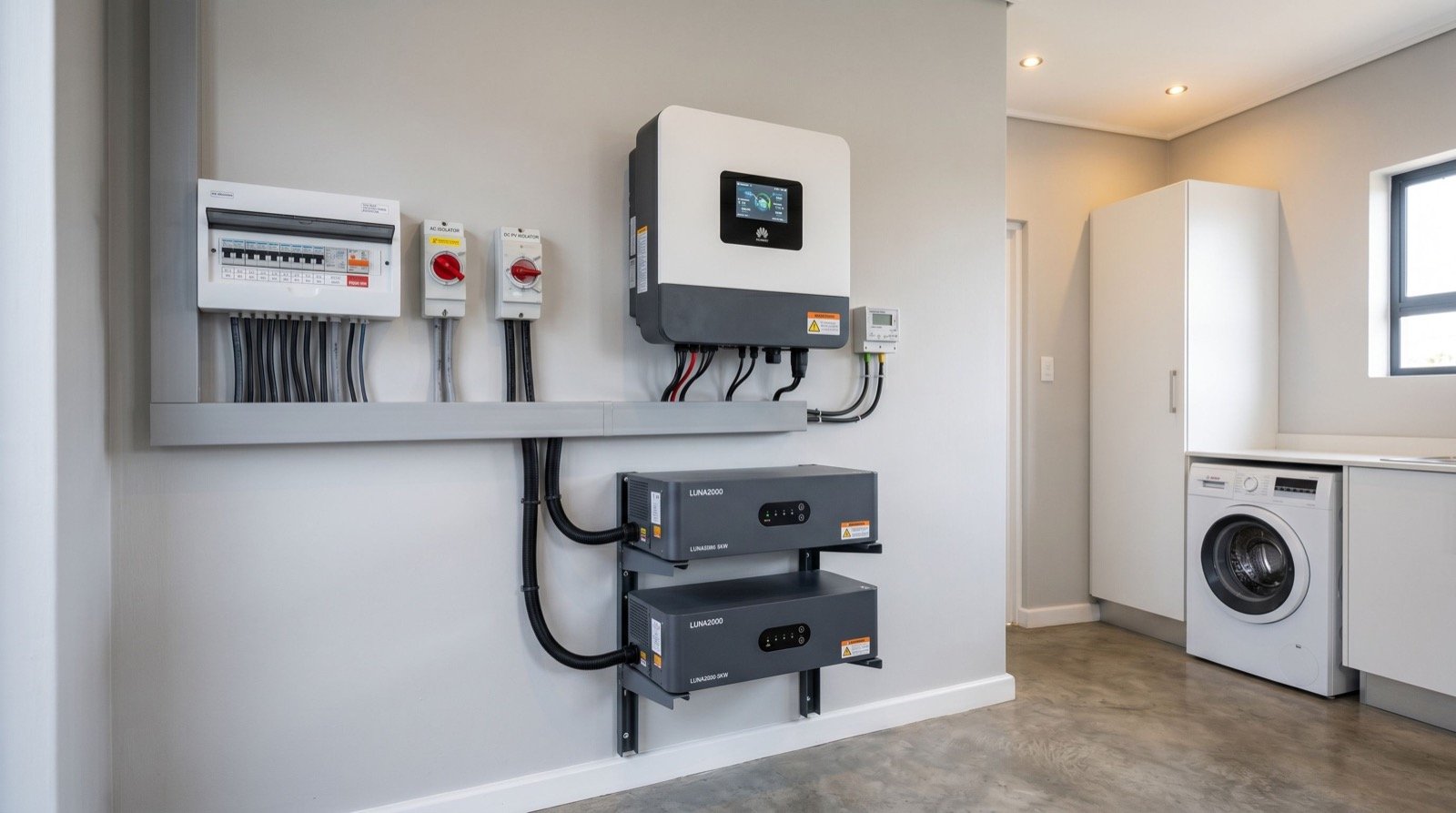
Ask to see the inverter display during handover. The installer should show you live generation, walk you through the monitoring app, and explain normal versus warning readings. A company that rushes this step may not support you later.
Finally, insist on a written commissioning report covering system size, component serial numbers, warranty terms, and net-metering status. This document protects your warranty claims and makes future servicing far simpler.
Frequently Asked Questions
How do I know if a solar company in Rawalpindi is reliable?
Check its portfolio of local installations, equipment brands, warranty terms, and client reviews. A reliable firm offers a written proposal after a proper site survey, not a phone quote.
Which solar system size is best for a Rawalpindi home?
Most medium homes choose 5 kW, which covers typical loads including air conditioning. Larger homes or shops may need 10 kW or more. A load assessment confirms the right size.
Can I get net metering in Rawalpindi?
Yes. Homeowners apply through IESCO under the national NEPRA framework. Your installer manages the technical paperwork and bidirectional meter approval.
How long do solar panels last?
Quality panels last 25 to 30 years, with a gradual, warrantied decline in output. Inverters usually need replacement once during that period.
Conclusion
The best solar company in Rawalpindi combines proven local experience, quality equipment, smooth IESCO net-metering support, and dependable service. Use the seven steps above to compare providers on value rather than price alone. Book a free site survey in 2026 and start generating clean, affordable power that pays for itself for decades.